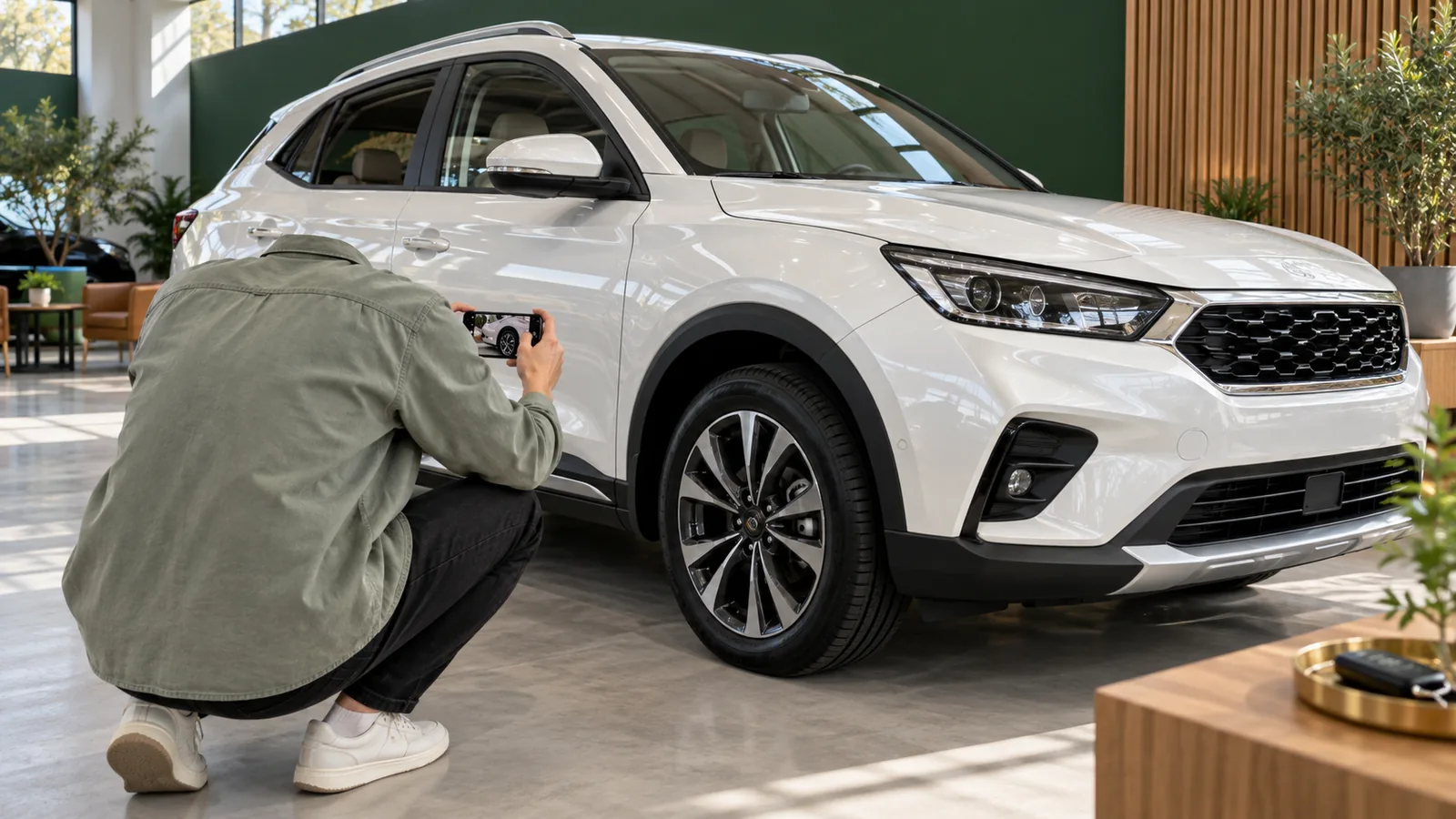
Dealerships can use online marketplaces to show vehicles to local buyers and start sales conversations. Access and listing options vary by account and location. I recommend treating every message as a lead that needs a prompt reply, clear ownership, and recorded follow-up.
By Damian Moore
Can dealerships use Facebook Marketplace?
Yes, dealerships may be able to list vehicles and communicate with interested buyers through Facebook Marketplace. However, the available tools can depend on your account, location, inventory setup, and Facebook’s current policies.
- Your dealership has access to Marketplace vehicle listings
- Your account type can use the listing method you want
- Your inventory format meets current requirements
- Your listings follow current vehicle, commerce, and messaging rules
- Your staff know which account receives buyer messages
Do not assume another dealership has the same options. Check your own account before building a process around a feature or connection.
How to list dealership vehicles on Facebook Marketplace
A useful listing gives the buyer enough information to decide whether to contact you. Accuracy matters because missing or conflicting details create extra messages and reduce trust.
Use this step-by-step vehicle listing checklist:
- Confirm the vehicle is available and ready to advertise.
- Enter the correct year, make, model, trim, mileage, and condition.
- Add useful details such as drivetrain, fuel type, major features, and known condition notes.
- Upload clear photos of the exterior, interior, wheels, cargo area, and dashboard.
- Show the current price and explain any important conditions tied to it.
- Set the correct dealership location.
- Provide a clear contact method.
- End with one next step, such as asking the buyer to message for availability or arrange a visit.
Accurate vehicle listings should match current inventory records.
How to handle Marketplace leads
A quick reply helps, but speed alone is not enough. Your reply should answer the buyer’s question, confirm what they want, and move the conversation toward a sensible next step.
I suggest asking only the questions needed to route the lead:
- Which vehicle are you asking about?
- Are you checking availability, price, financing, or trade-in options?
- When would you like to visit or speak with someone?
- What is your preferred contact method?
Assign one salesperson to each lead. Record the buyer’s name, vehicle, question, contact details, owner, status, and next follow-up date in your CRM or lead tracker.
Before anyone replies, they should check the record. This prevents two salespeople from sending repeated or conflicting messages.
A Facebook Marketplace dealership workflow
A defined workflow turns a social message into a trackable sales lead. It also shows where a slow handoff or missing record can cause a buyer to be forgotten.
| Step | Main action | Person responsible | Possible automation |
|---|---|---|---|
| Vehicle listing | Verify details, photos, price, and availability | Inventory or marketing staff | Sync approved inventory data where supported |
| New message | Acknowledge the buyer and identify the vehicle | Lead coordinator or salesperson | Send alerts and capture message details |
| Qualification | Ask what the buyer needs and how to contact them | Salesperson | Collect basic details using approved responses |
| Routing | Assign the lead by vehicle, location, or schedule | Sales manager or coordinator | Apply routing rules and notify the owner |
| Appointment setting | Offer suitable times and confirm the visit | Assigned salesperson | Send scheduling links, confirmations, and reminders |
| Follow-up | Record the outcome and plan the next contact | Assigned salesperson | Create reminders and update connected records |
The lead should have one clear owner at every stage. If ownership changes, record the handoff so the buyer does not have to restart the conversation.
Worked example
Suppose a buyer sends, “Is this SUV still available, and do you take trade-ins?” The system records the message, matches it to the SUV, and alerts the salesperson assigned to that inventory group.
The salesperson checks availability, answers the trade-in question, and asks for the buyer’s preferred contact method. If the buyer wants to continue, the salesperson records the details and offers appropriate appointment times. A reminder is then created for follow-up if the buyer does not reply.
This process does not assume that every message is appointment-ready. It helps the salesperson respond based on what the buyer actually asked.
What dealerships can automate
Automation is useful for repetitive steps that move information between people and systems. It should support the conversation, not pretend that every buyer needs the same response.
Good tasks to automate include:
- New-message alerts
- Basic lead capture
- Duplicate record checks
- Routing by vehicle, store, salesperson, or schedule
- Follow-up tasks and reminders
- Appointment confirmations
- CRM or lead tracker updates
- Alerts when a lead has no assigned owner
A salesperson should review any automated response before using it for sensitive or complicated questions. Any message automation must also follow Facebook’s current policies and the permissions available to your account.
If lead details are being copied by hand or follow-up depends on memory, I can help you assess automation for used car dealers and identify practical handoffs to improve.
Where human staff should stay involved
People should handle conversations that require judgment, negotiation, current vehicle knowledge, or a clear explanation. Automation can prepare the record and notify the right person, but it should not make unsupported promises.
Keep a salesperson involved with:
- Price discussions and negotiation
- Detailed vehicle condition questions
- Trade-in details and valuation
- Financing questions and required disclosures
- Payment estimates that depend on buyer information
- Appointment changes or special requests
- Final availability checks
- Test drives and purchase conversations
For example, an automated alert can tell a salesperson that a buyer asked about a trade-in. The salesperson should handle the actual discussion, gather the needed vehicle details, and explain the next step.
Give staff access to the listing, inventory record, and conversation history. That context helps them answer accurately without asking the buyer to repeat information.
Check your dealership process with an X-Ray scan
An X-Ray scan reviews how a Marketplace message moves from the first contact to a salesperson and then into follow-up. I look for leads without owners, slow handoffs, repeated data entry, duplicate replies, missing records, and reminders that depend on memory.
You can do a simple internal check by selecting a recent lead and asking:
- Was the buyer recorded in one clear place?
- Could staff see the original message and vehicle?
- Was one person responsible for the reply?
- Was the outcome recorded?
- Was there a dated next action?
If any answer is unclear, the process may need a stronger handoff or a small automation.
If you want a practical review, request an X-Ray scan through my page for automation for used car dealers. I can help you map the current process, find where Marketplace leads are being delayed or missed, and identify which steps should be automated while keeping sales conversations with your staff.
Frequently asked questions
Can dealerships list vehicles on online marketplaces?
Yes, although availability and listing options can vary by account and location.
How quickly should dealerships reply to buyer messages?
A prompt response helps keep the conversation moving and reduces the chance of losing a potential buyer.
Who should handle incoming buyer messages?
Each message should have a clear owner responsible for replying and following up.
Should dealerships record marketplace leads?
Yes. Recording messages and follow-up activity helps dealerships manage each opportunity consistently.
How do dealerships list cars on Facebook Marketplace?
Start with an available vehicle and enter accurate details, price, location, and contact information. Add clear photos, review the listing against your inventory record, and tell the buyer what to do next. The exact publishing method depends on the tools available to your account.
How should a dealership respond to Facebook Marketplace leads?
Answer the buyer’s question first, then collect only the details needed for the next step. Assign the conversation to one salesperson, record it in your CRM or lead tracker, and set a follow-up date if the buyer does not respond.
Can a dealership automate Facebook Marketplace messages?
Some message alerts, lead capture, routing, reminders, and record updates may be automated. Available options depend on your account and current Facebook rules. Keep a salesperson involved when a message covers price, condition, trade-ins, financing, or negotiation.
How can dealerships track leads from Facebook Marketplace?
Create one record for each buyer and include the vehicle, original question, contact details, assigned salesperson, status, and next action. Staff should check that record before replying. This reduces missed follow-up, duplicate replies, and confusion about who owns the lead.