Field note
Updated Sep 30, 2026
Used car inventory sourcing with AI auction scoring
Used car inventory sourcing gets faster when AI scores auction runlists and trade-ins against your sold history. Review 5 to 10 real picks in 15 minutes.

--
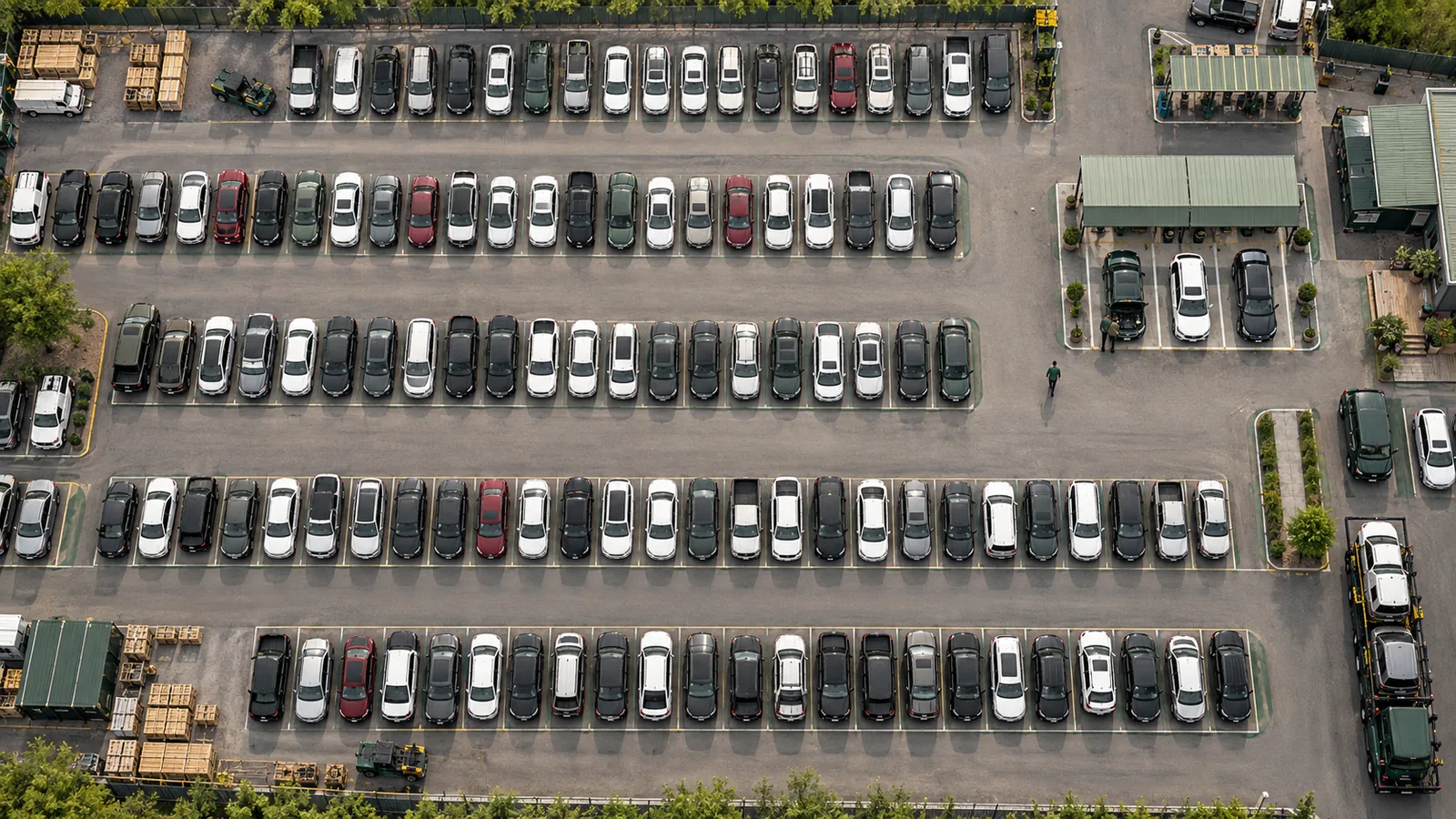
Used car inventory sourcing is where most independent lots still buy on feel. An AI layer can score each auction runlist and every trade-in against your own sold history, so you review 5 to 10 real candidates in about 15 minutes per auction day. A human still inspects and bids. I build this as part of my AI automation for independent used-car dealers work.
Why inventory acquisition is the most expensive bottleneck at an independent lot
 A dedicated buyer who knows Manheim lanes and has relationships with fleet managers earns $65,000 to $85,000 a year fully loaded. For a 40 to 60-unit independent lot, that is often the second or third largest payroll line behind the general manager.
The owner-done version is not cheaper. It is just a different ledger entry. When you are spending Tuesday and Thursday nights scanning runlists and Saturday mornings at the auction block, that is 12 to 15 hours a week you are not spending on floor traffic, reconditioning, or sales management. That is not a cost savings. It is a cost shift.
Wrong inventory is the worst outcome. A vehicle that sits 90 days is not just a floor plan hit. It is a signal that your acquisition process has a targeting problem. Most independent lots with slow turn rates can trace it to buying on feel at the auction rather than buying against a repeatable profile. A good buyer solves this with experience. AI solves it with data.
Two pipelines for dealer inventory sourcing
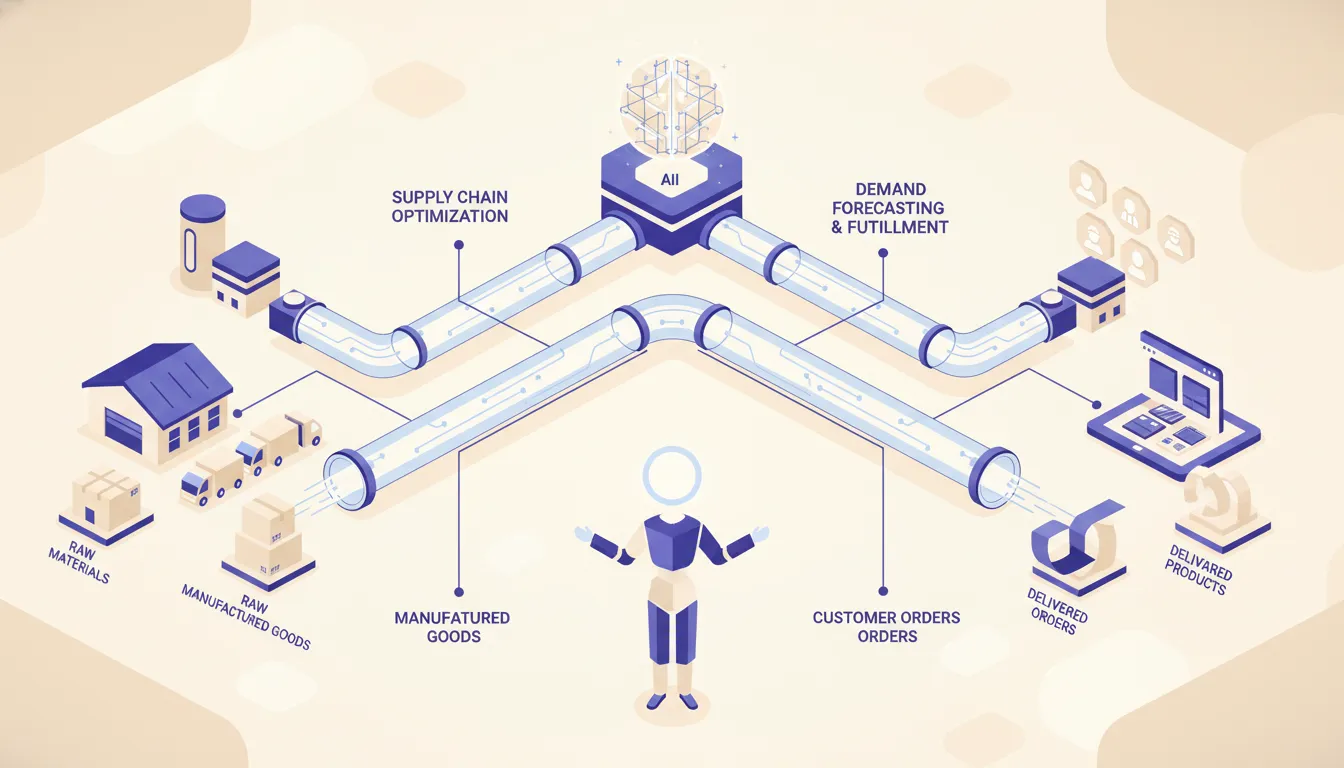 Acquisition happens at two points. The first is proactive: you go to the auction and buy what the runlist shows you. The second is reactive: a customer walks in or calls and wants to trade something in. Both pipelines need the same judgment applied to them.
For the auction side, the question is always the same. Of the 400 to 600 vehicles running through a lane this week, which 5 to 10 actually fit your lot? Not which ones are priced cheap. Which ones will sell in 30 days at a margin that makes sense given what you paid, what recon will cost, and what similar vehicles are selling for within 50 miles.
For the trade-in side, the question is different but equally concrete. This customer has a 2019 Nissan Altima with 72,000 miles in good condition. Do you actually need this vehicle right now, or are you carrying two similar units already? If you need it, what is the ceiling on acquisition cost given current comp pricing and your days-to-sell on sedans?
An AI scoring layer answers both questions systematically instead of from gut feel.
Pulling and scoring car auction data
Manheim, ADESA, and ACV Auctions publish runlists 24 to 48 hours before vehicles cross the block. Manheim has a dealer portal and API access for registered accounts. ADESA publishes lane schedules and vehicle detail pages for credentialed dealers. ACV is digital-first with structured data exports built into the platform.
Pull runlist data using the dealer-facing tools and API access your account level includes. Use structured exports where available. Build your workflow around the data your dealer account can legitimately access, not around pulling data outside what the platform provides.
Once you have the runlist in a structured format, each VIN goes through a scoring pass. The scoring logic compares the vehicle against your historical sold data: what age and mileage range sells fastest, which trim levels hold margin, which body styles are underrepresented on your lot. You also pull current competitive inventory within a defined radius using tools like Kelley Blue Book dealer resources or similar market data platforms to see how many similar units are already listed nearby.
Claude does the judgment layer. A well-structured prompt gives Claude the vehicle specs, the scoring parameters, your current lot composition, and regional comp data. It returns a ranked shortlist with a brief rationale on each vehicle. The output is not a final buy decision. It is a research brief that cuts your review from 90 minutes to 15.
A useful prompt includes: target age and mileage bands from your 90-day sold history, minimum acceptable condition grade, body style gaps in your current inventory, estimated days-to-sell from your DMS data, and a threshold for reconditioning cost headroom.
Scoring trade-in leads against your inventory gaps
Every trade-in inquiry is an acquisition opportunity, but not every vehicle is worth acquiring. Most lots evaluate trade-ins opportunistically. A manager looks the car over, checks a KBB range, and makes an offer. Whether the vehicle fits the lot's current needs is rarely part of the formal calculation.
An AI layer changes the sequence. When a customer submits a trade-in inquiry on your website, that data goes into a scoring workflow before the customer sits down. The VIN gets decoded. NADA Guides and Black Book data is pulled for current market range. The vehicle is compared against your lot composition to determine whether you are long or short on that category.
If your lot has zero late-model compact SUVs in the 30,000 to 50,000-mile range and a customer is trading in a 2021 RAV4 with 41,000 miles, that is a high-priority acquisition. Your salesperson should know that before the customer walks in. If you already have three similar units, the trade-in is a wholesale candidate, and your appraisal offer can reflect that.
The output is simple: a one-line signal telling the salesperson whether this trade is a gap-filler or a pass-through, and what the acquisition ceiling is given current comp pricing.
What the scoring prompt actually evaluates
The structured criteria Claude applies to each vehicle evaluation covers several dimensions.
Year-over-year depreciation curve for that specific make, model, and trim. Some vehicles hold value for three years and then drop sharply. Others depreciate steadily but predictably. A vehicle on a sharp depreciation curve bought near the bottom of that curve is a better risk than a vehicle bought at the inflection point.
Your historical days-to-sell on similar units. Your DMS has this data. Export it and include it in the prompt context. A vehicle that your lot historically sells in 22 days is worth more headroom on acquisition cost than a vehicle you typically hold for 55 days.
Estimated margin at your target acquisition cost. Given the runlist price, your projected recon cost, and the current 30-day retail comp, what does the math look like at the time of scoring? Claude is not bidding for you. It is showing you whether the math pencils before you spend time on due diligence.
Competitive inventory density. How many similar vehicles are currently listed within 25 to 50 miles of your lot? A high-density market on a specific vehicle type compresses your margin window and often extends days-to-sell. Low density is a buying signal.
Condition grade relative to your recon capacity. A Grade 3 vehicle with a $3,500 recon estimate is a different risk profile than a Grade 3 vehicle when your shop has a 3-week backlog.
A realistic daily workflow
The overnight automation runs on a schedule. Your runlist pull fires at 11 PM the night before an auction day. By 6 AM, you have a scored shortlist in your inbox or dashboard: five to ten vehicles, ranked by fit score, with a one-paragraph rationale on each. You spend 15 minutes reviewing it, click through to Manheim or ADESA for the vehicles that interest you, and make bid decisions before you open the doors.
The trade-in layer runs throughout the day. When a customer submits a trade-in form, the scoring workflow fires within a few minutes. By the time the customer arrives or calls back, your salesperson has the gap analysis and acquisition ceiling in front of them. The appraisal conversation starts from information instead of improvisation.
Neither layer replaces a physical inspection or a sales conversation. They replace the research that should happen before those moments but rarely does because no one has time to do it manually.
What breaks and how to handle it
Runlist formats change. Manheim periodically updates how vehicle data is presented in dealer-facing exports. ADESA lane formats differ by region. When your pull script breaks, you usually find out because the inbox is empty on an auction morning. Build a simple alert: if the scored list has zero vehicles, send a fallback notification before 6 AM so you know to do a manual pull.
Claude occasionally mis-scores. The most common failure mode is a vehicle that scores well on paper but has a condition note that changes the picture, or a trim variant that looks standard but has unusual regional demand. Fix this systematically. When you skip a vehicle Claude recommended, or when you buy one it ranked low, leave a one-line note explaining why. Feed those notes back into the prompt as few-shot examples every 30 days. The scoring improves meaningfully with even a small library of corrections.
On compliance: use dealer-approved data feeds, API access your account includes, and public pages that your dealer login can reach. Do not build automation that operates outside what the platform provides to credentialed dealers. Most major auction platforms have structured data available for registered accounts. Start there.
When a human buyer still makes sense
If your lot is doing $20 million or more in annual volume and you are running buyers into multiple lanes across two or three auction locations per week, a dedicated buyer with auction relationships provides value that a scoring model cannot fully replicate. Lane intuition, condition reads on vehicles with sparse documentation, and relationships that surface off-lane deals are real advantages at volume.
Below that threshold, the math usually goes the other way. A buyer costs $75,000 a year and attends maybe 80 to 100 auction days. The AI scoring layer costs a fraction of that, runs every auction day without negotiation, and does not miss a morning because of a sick day. For most independent lots under 75 units per month, that is the cheaper lever. The two are not mutually exclusive, but for most operators reading this, AI acquisition scoring is the right starting point, and I build it as a fixed-fee automation project on tools you own.
Want this acquisition workflow mapped to your specific lot size and auction cadence? Run the AI Operations X-Ray and get a ranked list of the automations worth building first. Or start with my used car dealer page, linked just below, and the trade-in valuation breakdown linked above. If your sold history lives in Frazer or a similar DMS, my note on DMS integration with a CSV export shows how to get it out.
FAQ
Frequently asked questions
01How do you pull runlists without breaking Manheim's TOS?
Use Manheim's dealer-facing tools and API where they exist. Many lanes publish public runlist pages accessible to registered dealers. Pull from those. Do not scrape behind authenticated walls unless you have explicit written permission. When in doubt, call your Manheim rep and ask what data access your account level includes.
02Does this work if I have no sold history to score against?
Yes, with a narrower signal. Use regional market data from sources like Black Book or NADA to proxy your ideal vehicle profile. After 60 to 90 days of sales, layer in your own history. The scoring gets sharper over time, but it starts useful on day one with public market comps.
03What percentage of a 500-vehicle runlist actually fits a small lot?
Typically 1 to 3 percent on a well-defined lot profile. For a 40-unit independent focused on late-model compact SUVs under 60,000 miles, you are looking for 5 to 15 vehicles per 500-unit list. The AI is most useful because it eliminates the 485 you would have wasted time reviewing manually.
04Can this bid automatically?
No, and it should not. The AI scores and ranks candidates. A human reviews and bids. Autonomous bidding at auction requires real-time condition data, run-number awareness, and live competitive read that no current scoring model handles reliably. Use AI for the research layer, not the trigger finger.
05How often is Claude wrong about a vehicle fit?
Expect 10 to 20 percent misses on first pass, mostly edge cases where condition grade is borderline or a trim variant has unusual regional demand. Fix this by adding a short rejection note when you skip a scored vehicle. Feed those notes back into your prompt over 30 days. The error rate drops quickly once the model has seen your actual pass/fail patterns.
06What does a used car sourcing tool need from my DMS?
Your sold history for the last 90 days, days-to-sell by vehicle type and your current lot composition. Those let the scoring compare each vehicle against what actually sells at your lot. If you have no history yet, regional market data can stand in until you do.